
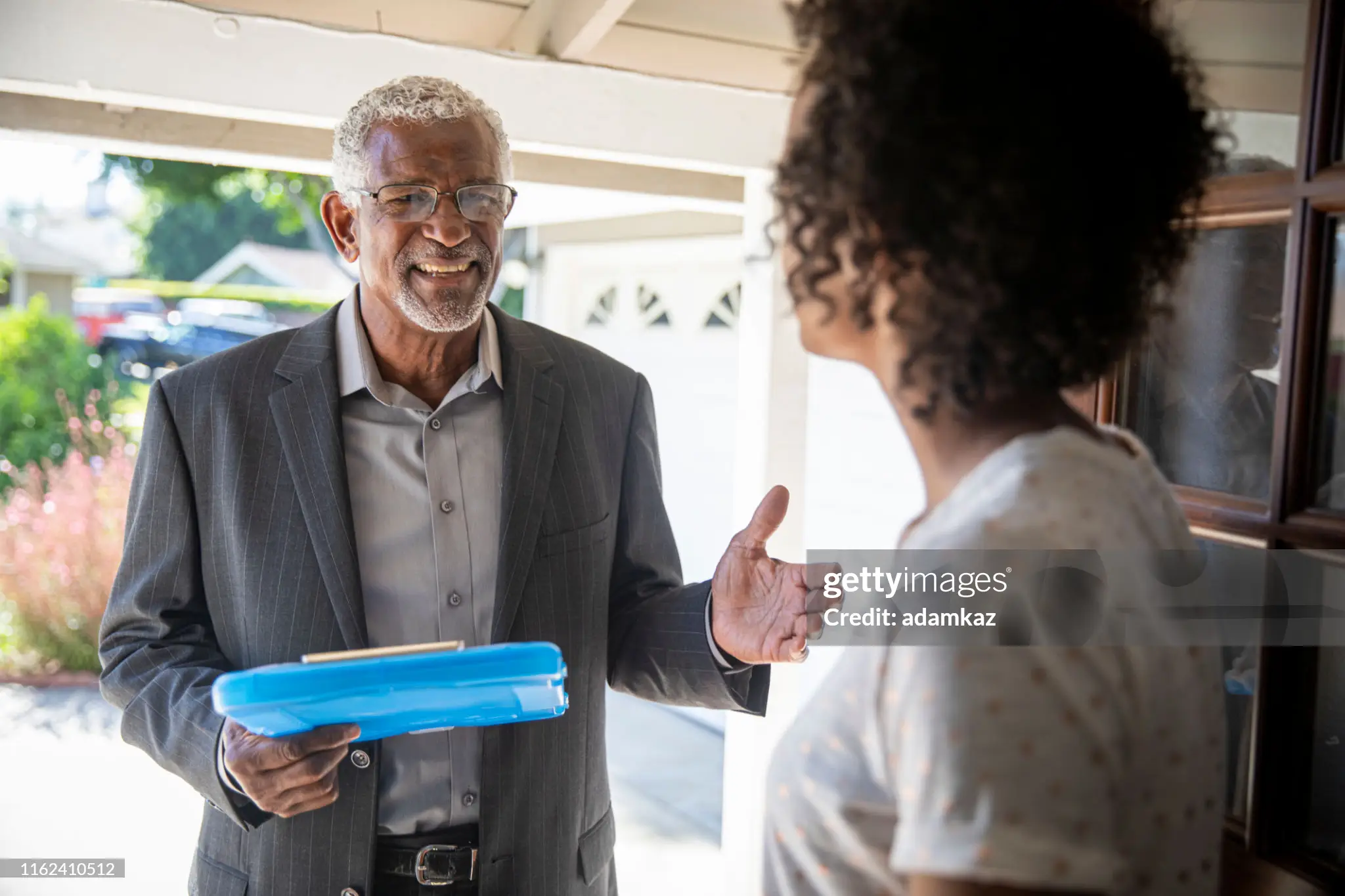
A winning Democratic field program in a Texas legislative race costs roughly $40,000 to $150,000, depending on your win number, your volunteer base, and how much of the door-knocking you pay for. The cost driver isn't ideology or enthusiasm. It's arithmetic: votes needed, contacts required to produce each vote, and the hourly cost of producing those contacts.
Let's build the math from the ground up, because a field budget you can't defend line by line is a field budget that gets cut in September — exactly when you need it most.
Start with your win number, not your budget
Your win number is the votes you need to win — expected turnout times 50% plus one, padded by a safety margin. Everything in field flows from it.
The research baseline most field plans are built on comes from the Green and Gerber canvassing experiments: roughly one additional vote per 14 quality door conversations. Treat that as a planning constant, not a guarantee — persuasion and turnout effects vary by district and cycle.
So the chain looks like this: win number → votes field must produce (field typically claims responsibility for a margin slice, not the whole win number) → conversations needed (×14) → attempts needed (because most knocks don't produce a conversation) → hours → dollars.
Worked example. Suppose field's job is to produce 2,000 votes of margin in a battleground Texas House district. That's roughly 28,000 quality conversations. At typical contact rates, a canvasser completes about 4 conversations per hour from 15–20 knock attempts. That's 7,000 canvass hours. Now you have a number you can price.
What the hours cost
Volunteer canvass. Volunteers are "free" but produce real costs: an organizer to recruit and manage them, turf cutting, materials, launch space, snacks, and data work. The working rule: a good organizer sustains 30–60 active volunteer shifts a week at peak. Field organizer salaries currently run about $4,000–$4,700 a month nationally, with union contracts in Democratic politics historically setting floors around $3,000–$4,000 a month. Budget a Texas organizer at $4,000–$5,000 a month with payroll costs, August through November, and you're at $16,000–$20,000 per organizer for the GOTV arc.
Paid canvass. Canvasser wages run around $19 an hour in current industry data. Loaded with management, recruitment, turnover, data, and vendor margin, paid programs price out meaningfully higher per hour. At 4 conversations per hour, the per-conversation math lands in the $5–$10 range — which is why the Green/Gerber-derived figure of roughly $19 per vote for canvassing keeps showing up in the research literature. Paid canvass buys certainty and scale; it costs roughly double what a volunteer program produces per dollar when the volunteer program actually shows up. The honest question is whether yours will.
Phones. Volunteer phone banks complete roughly 7–14 conversations per hour depending on list quality and script length — the planning baseline we use is about 7 completed conversations per hour on persuasion scripts. Predictive dialers cost a few cents a minute, call it $1.50–$2 per volunteer hour of talk time — cheap enough that the real cost of phones is volunteer recruitment, not technology.
Texts. Peer-to-peer texting runs roughly 1.5 to 4 cents per message across major platforms. Texting is the cheapest attempt in the toolbox and the shallowest contact. Use it for shift recruitment, event turnout, and GOTV reminders — not as a substitute for conversations.
What a real Texas House field budget looks like
For a battleground House race (the kind that costs $750,000 to $1.6 million all-in), a credible field line looks like:
- Field director (April–November): $36,000–$48,000
- 2–3 organizers (June–November): $48,000–$84,000
- Paid canvass supplement (Labor Day–Election Day): $20,000–$60,000
- Tools, data, dialer, texts, materials, launch space: $8,000–$15,000
Total: roughly $110,000–$200,000 at full battleground scale. A leaner race — strong volunteer base, smaller margin gap — can field a director, one organizer, and tools for $50,000–$75,000.
If those numbers look heavy against your budget, resize the program, not the honesty of the math. A field program scoped to 1,000 margin votes and executed is worth more than one scoped to 3,000 and abandoned in October.
Where Democratic field programs actually fail
Three patterns, all preventable:
- Late starts. Volunteer programs compound. An organizer hired in June builds a team that peaks in October; an organizer hired in September runs a paid program at volunteer prices. Field hiring belongs in your first 90 days, not your last.
- Untracked universes. If your campaign can't say how many doors in the persuasion universe have been attempted twice, you don't have a field program — you have activity. The data discipline is the program.
- Cutting field to feed TV. In a state legislative race, a late dollar moved from doors to broadcast almost always buys less margin. The research on canvassing's cost per vote is four decades deep. Hold the line.
Keep in mind one Texas-specific reality: summer. Canvassing in a Texas July is a volunteer-retention problem with a heat index. Build your summer program around evening shifts, phones, and texts, and save the door-heavy push for September 1 through the end of early vote.
The bottom line
Size the program from the win number, hire organizers early, pay for certainty where your volunteer base is thin, and protect the field line in October. A winning Democratic field program in Texas isn't cheap — but it's the most price-predictable part of your entire campaign, because every line of it is arithmetic.
Iceberg builds field plans, budgets, and campaign infrastructure for Democratic candidates across Texas. Book your free consultation and bring your district's turnout history. We'll build your win number math together.
Frequently asked questions
How many doors can a canvasser knock in an hour?
Plan on 15–20 attempts per hour in suburban turf, 20–25 in dense urban turf, and 10–15 in rural turf once travel time is counted. Of those attempts, expect roughly 4 actual conversations per hour. Both numbers degrade with bad turf cutting, so invest in someone who knows the precinct map before you invest in more shifts.
What does paid canvassing cost per vote?
The most-cited research benchmark, derived from the Green and Gerber field experiments, puts canvassing at roughly one additional vote per 14 quality conversations — about $19 per vote at typical wage and productivity rates. Loaded vendor pricing varies, and your district's persuadability moves the number. Treat $19 per vote as the planning anchor and demand contact-rate reporting from any paid vendor.
Is texting or phone banking more cost-effective than canvassing?
They do different jobs. Texts cost 1.5–4 cents each and are unmatched for reminders and shift recruitment, but the persuasion evidence is thin. Phone conversations are cheaper per attempt than doors but produce fewer and shallower contacts per hour (roughly 7–14 completed conversations). Doors remain the highest-impact contact in the research literature. A winning program layers all three against the same tracked universe.
How early should a campaign hire its field director?
For a November race, April or May — and no later than early summer. Volunteer programs compound: the team your director builds in June is the capacity you GOTV with in October. A field director hired after Labor Day can only manage a paid program, which costs roughly twice as much per contact.
Should a small campaign do field at all?
Yes — field scales down better than any other program. A council or safe-seat race with no money for staff can still run a candidate-led canvass: the candidate knocking 25 doors a night, four nights a week, from June to November, personally attempts roughly 2,000 doors. In low-turnout races, that's frequently the margin. The math is the same; only the scale changes.
Iceberg Public Affairs builds disciplined, professional campaigns for Democratic candidates in Texas. Book your free consultation.